





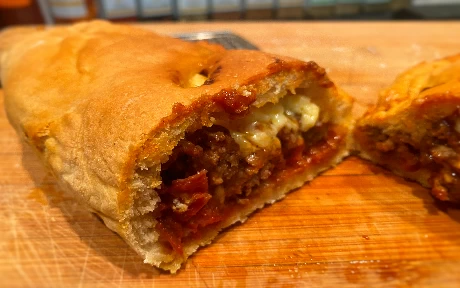


This Calzone recipe is a classic Italian dish made from pizza dough. A Calzone is a stuffed pizza, a bit like a pasty only made from pizza dough and loaded with all the toppings you can put on a pizza, such as tomato, cheese and Italian meats.
...
The calzone, a delicious Italian dish that resembles a folded pizza, has a rich history that dates back to the 18th century in Naples. Originally, it was a convenient meal for workers, designed to be portable and easy to eat on the go.
The name "calzone" translates to "trouser" in Italian, which is a nod to its shape, resembling a pant leg. Traditionally, calzones are filled with a variety of ingredients, including cheese, meats, and vegetables, all encased in a golden, baked crust. Over the years, this dish has evolved, with different regions of Italy adding their own unique twists, such as the use of local cheeses or specific types of meats.
As Italian immigrants brought their culinary traditions to the United States in the late 19th and early 20th centuries, the calzone gained popularity, particularly in cities with large Italian communities.
Today, it is enjoyed worldwide, often served with marinara sauce for dipping, and continues to be a beloved comfort food that showcases the versatility and creativity of Italian cuisine.
Our Shop

Rolling Pin
Large Frying Pan
Kitchen Scales
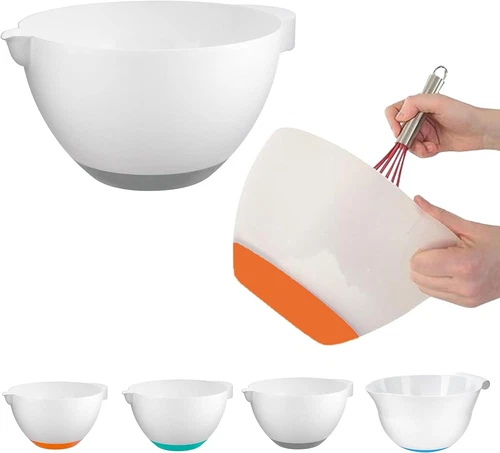
Mixing Bowl
A calzone is a traditional Italian dish that resembles a folded pizza, characterized by its unique preparation and presentation.
Typically made from a yeast-based dough, the calzone is rolled out into a circular shape and filled with a variety of ingredients, which often include ricotta cheese, mozzarella, meats such as ham or salami, and an assortment of vegetables.
Once filled, the dough is carefully folded over to create a half-moon shape and sealed at the edges to prevent the filling from escaping during cooking.
The calzone is then baked until the crust achieves a golden-brown colour, resulting in a crispy exterior that encases a warm, flavourful filling.
...
Traditional calzones typically feature a folded pizza dough filled with ingredients such as cheese, meats, and vegetables, then baked to perfection.
However, variations abound, with some incorporating different types of cheeses, sauces, or even international flavours, such as Mediterranean or Mexican-inspired fillings.
Additionally, the dough itself can be modified, using whole wheat or gluten-free options to cater to diverse dietary preferences.
These adaptations not only enhance the flavour profile but also allow for greater creativity in presentation and taste.
 Cuisine:Italian






Cost to make:
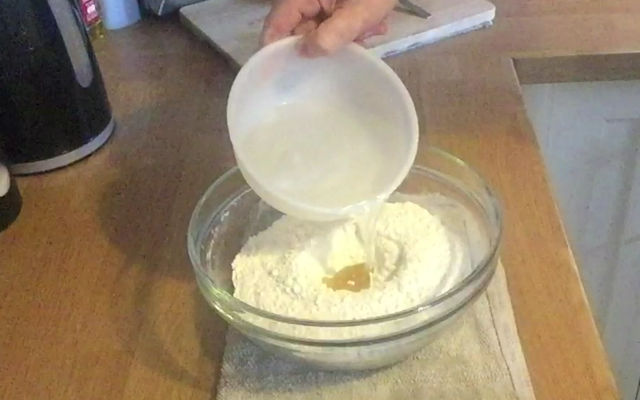 To make the dough you need to sift the flour and salt into a glass bowl, then add the dry yeast. Mix this together with a fork befor adding in the warm Milk & Water.
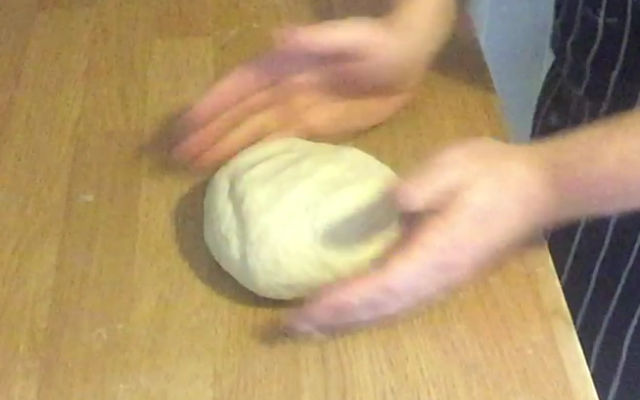 Mix in the fluids until it forms a sticky dough paste, the tip this out onto a floured surface. Knead the dough with your hands for 10 minutes until it becomes smooth and elasticated.
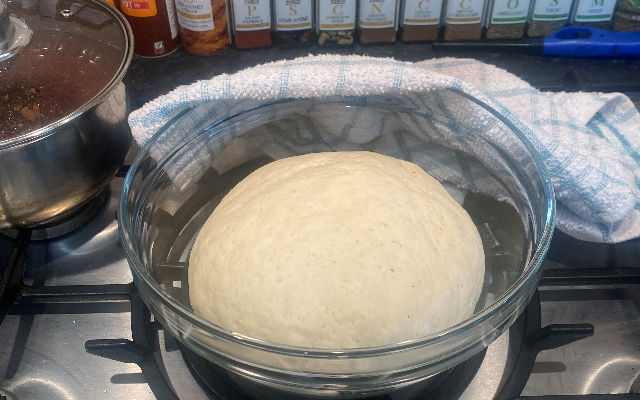 When the dough is fully kneaded, put it back into the bowl, cover with a cloth and allow to prove in a warm place for about an hour.
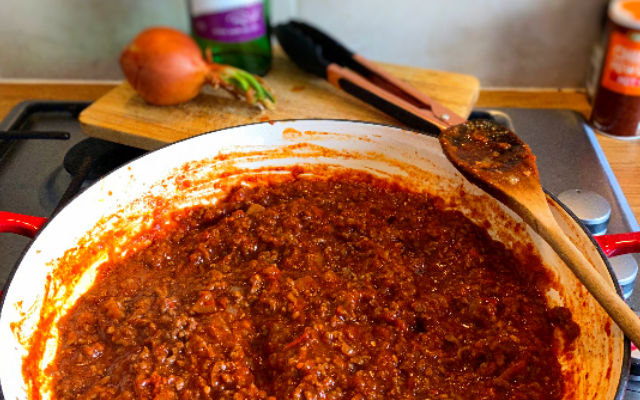
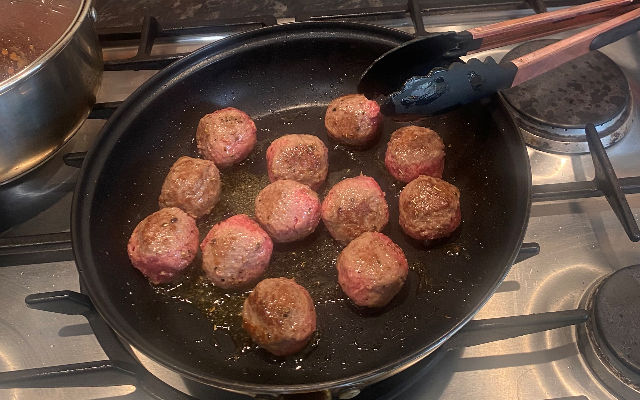 Heat up some Olive Oil in a frying pan, then cook the meatballs for 12 to 15 minutes, turning them often to ensure they are fully cooked all over. When the meatballs are cooked, remove them from the pan, cut them in half and continue cooking them in the Ragu sauce, keep this sauce warm.
.
Heat up some Olive Oil in a frying pan, then cook the meatballs for 12 to 15 minutes, turning them often to ensure they are fully cooked all over. When the meatballs are cooked, remove them from the pan, cut them in half and continue cooking them in the Ragu sauce, keep this sauce warm.
.
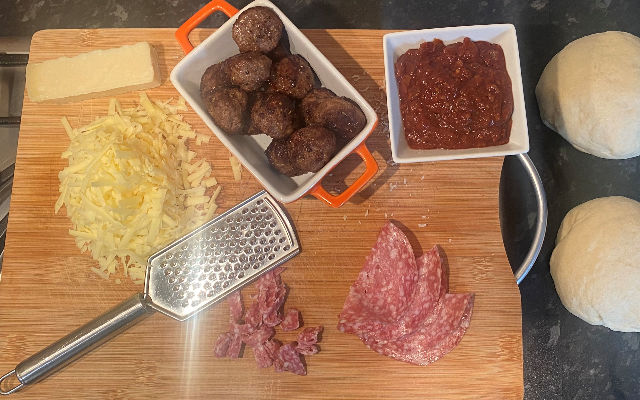 Using a large sharp knife, slice the Italian cooked meats into small slices. I have used Salami and Chorizo. Grate the cheese and set this aside, I have used Cheddar and Mozzarella for this recipe.
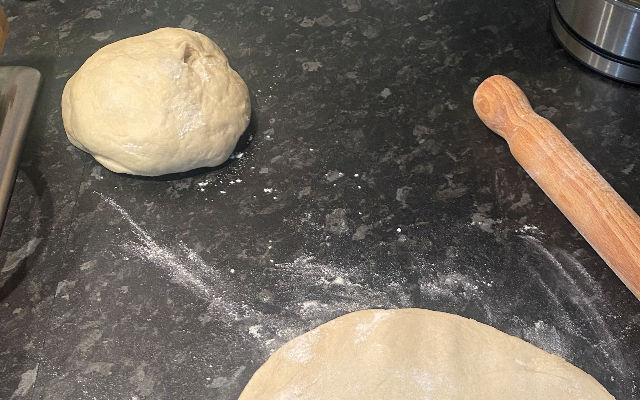 When the dough has been proving for an hour, knock it back and devide it into two pieces/ Set these aside and let them prove for a further 30 minutes.
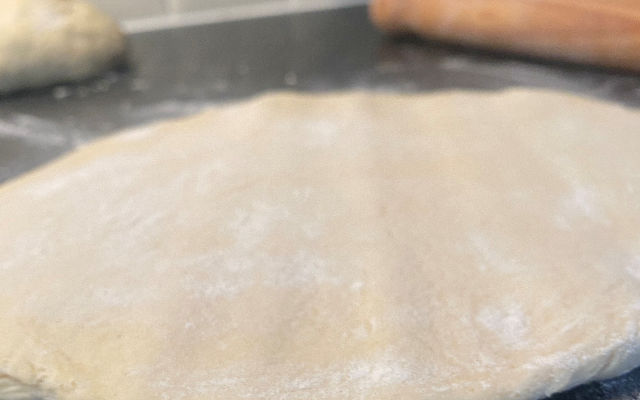 When the dough is proven, roll it out on a lightly floured surface to anout 1/2 inch depth, then you can fill it with the meatballs and sauce.
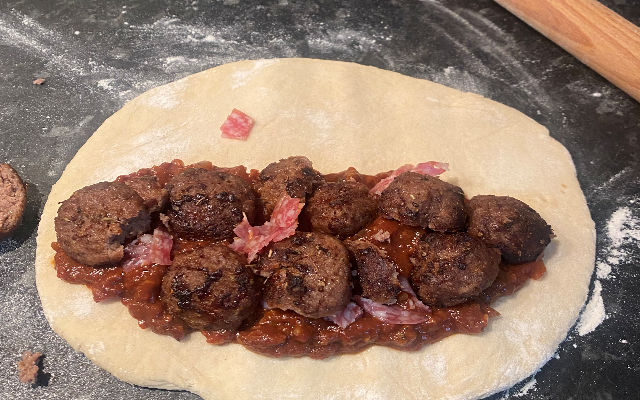 When you have rolled the dough into a round, start by filling half the dough with the Ragu and meatballs. Then add the other meats and finally top it off with the cheese. Use as much cheese as you like, I like a lot. Leave enough space around the edge of the dough so that you can fold it in half and crimp the edges with out any filling coming out.
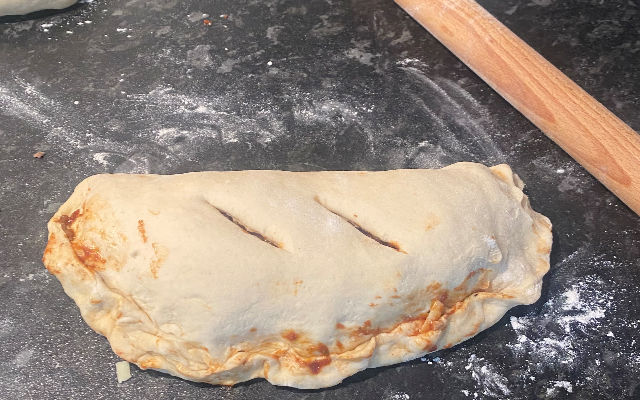 When you have filled the Calzone you should fold it in half like a pasty then crimp the edges together with your fingers. Cut two air slots in the top to allow the steam to escape. Brush the top of the Calzone with some Extra Virgin Olive Oil then place it on some silicon paper.
Cook the Calzone in a pre heated oven @ 180c for 20-25 min until the dough is lightly browned and cooked.
You can cover the top with some aluminium foil if you want to stop the top getting too crispy, but I would remove this for the final 5 minutes of cooking.