biography picture of Jon Noble
QR code
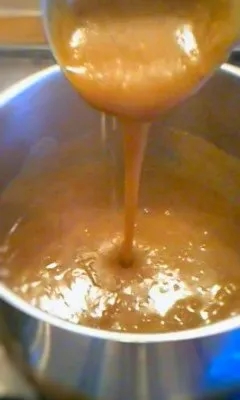
gravy in a pot

Roast Gravy Recipe

Cowbridge Kitchen

About This Recipe

Gravy is a thick sauce often made for a Sunday Roast here in the UK and it is made from meat juices and thickened with Corn Starch for a thick rich Gravy Sauce.

If you are looking for a tasty sauce to go with your Roast Beef or Roast Lamb then this recipe for Gravy makes the most of all the flavour from the Vegetables and Beef Stock, and gives this Gravy it's traditional taste.

I use this Gravy for any Sunday Roast Dinner I even use this as my Christmas Day gravy. ...

History of Gravy
The history of roast gravy developed over centuries of culinary evolution, reflecting the traditions and innovations of various cultures.

Originating from the necessity to enhance the flavour of roasted meats, gravy has its roots in ancient cooking practices where drippings from cooked meats were combined with water or broth to create a savoury sauce.

In medieval Europe, particularly in England, the technique of making gravy became more refined, with the addition of herbs, spices, and thickening agents such as flour or cornstarch, which transformed simple meat juices into a luxurious accompaniment.

As the dish spread across continents, regional variations emerged, incorporating local ingredients and cooking methods. For instance, in the United States, the Southern tradition of making gravy often includes the use of milk or cream, resulting in a creamy, rich sauce that complements fried chicken and biscuits.

Over time, roast gravy has not only become a staple in festive meals and family gatherings but also a symbol of comfort food, embodying the warmth and hospitality of home-cooked meals.

Today, it continues to evolve, with chefs experimenting with flavors and techniques, ensuring that this beloved sauce remains a vital part of culinary heritage.

Please read our Ad Policy

Serves: Six

Easy

Cook in: 30 min

Prep: 10 min

What equipment do you need ?

Our Shop

kitchen shop logo

Related Video
Video may vary from this recipe

What is Roast Gravy?

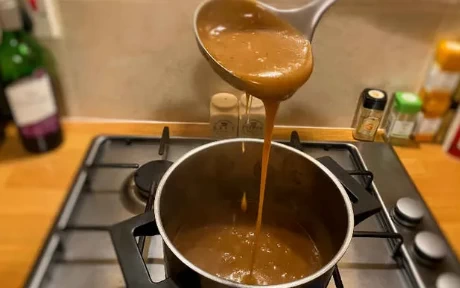
gravy on a ladle

Roast gravy is a rich sauce typically made from the drippings left in the pan after roasting meat, such as beef, chicken, or turkey.

The process begins by collecting these drippings, which are packed with concentrated flavors, and then deglazing the pan with a bit of liquid, like broth or wine, to loosen any browned bits stuck to the bottom. This mixture is then simmered and thickened, often with a roux or cornstarch, to create a smooth, velvety texture. Seasonings like salt, pepper, and herbs can be added to enhance the taste, making roast gravy the perfect accompaniment to elevate your roasted dishes.

It’s not just a side; it’s a delicious way to bring all the elements of a meal together, adding moisture and depth to everything it touches. ...

Variations of Roast Gravy
Roast gravy can be prepared in various ways, each method offering a unique flavour.

One popular variation involves using the drippings from a roasted meat, such as beef or turkey, which are combined with flour to create a roux.

This mixture is then slowly whisked with stock or broth, allowing the flavors to meld and thicken into a rich, savory sauce.

For those seeking a more robust taste, adding ingredients like red wine or balsamic vinegar can introduce a depth of flavour, while fresh herbs such as thyme or rosemary can provide an aromatic quality.

Alternatively, a vegetarian version can be crafted using vegetable stock and a blend of sautéed onions, garlic, and mushrooms, which can be thickened with cornstarch or a similar agent.

Each variation not only complements the main dish but also reflects the cook's personal touch, making roast gravy a versatile and essential component of any Sunday Roast.

How to make Roast Gravy

serving tray Cuisine:British
printer fb logo youtube logo instragram logo dailymotion logo

Print Recipe on Desktop

Ingredients Nutrition Cost
1.5 litre of Vegetable Stock
3 Beef Stock Cubes to make 300 ml of Beef stock
40 g of Beef dripping or 40 ml of Meat juice.
60 g of plain flour
2 bay leaves
1/4 tsp Black Pepper
1/4 tsp Salt
Gravy Browning

Egg freeNut free

Nutrition:
This is per a 250 ml serving

Calories: 133
Protein: 9.4g
Fat: 5.9g
Carbohydrates: 12g
Fiber: 1g
Sugar: 0.5g

Low sugar

Pound sign
Cost to make:
£1.05 / $1.33 (Est.)

*Prices may vary.

Cooking Instructions

  1. As you peel your vegetables , Carrots, Swede & Parsnips drop all of the left over trimmings into a large pan filled with at least 4 litres of cold water. Add a rough chopped brown onion and a few ripped up sticks of celery to the pan. You can chop up a few extra carrots and a bit of parsnip to add to the pan.
  2. You can also add a good tablespoon of some Vegetable stock powder, or a cube.
  3. Get this pan of water boiling then reduce it to a low simmer, where you are going to leave it reduce by at least half. This should take a few hours.
  4. When the stock is ready , drain all of the water out into a large jug then put the two Bay Leaves into the stock. You should have no more than 2 litres. Set this aside and discard all of the vegetable trimmings.
  5. In a clean pan slowly melt your fat of dripping.
  6. Make up about 300 ml of beef stock, using the 3 stock cubes and boiling water.
  7. Mix the Black Pepper & Salt with the 60 g of Flour, then whisk this into the hot fat to form a Roux.
  8. Turn up the heat then add enough of the veg stock so that you get a very thick sauce, 400 ml should do it. Make sure both Bay Leaves go into the sauce.
  9. Tip in the 300 ml of beef stock and keep whisking it until it comes to a boil.
  10. At this point the colour of the gravy should probably be OK, but you can add some gravy browning to it if you like it darker.
  11. Keep adding more vegetable stock until the gravy is the consistency you want. I normally go for quite a thick gravy and use about half the stock (600 - 800 ml) on top of the 300 ml of beef stock.
  12. Let this gravy simmer on a very low heat for about 20 minutes, the longer you leave this reduce the better it is going to taste.
Please read our Ad Policy

Chefs Tips for making Roast Gravy

Can I make Roast Gravy in advance?

Yes, you can prepare roast gravy in advance. Making it ahead of time allows the flavours to combine, enhancing the overall taste. When stored properly in the refrigerator, it can remain fresh for several days, or it can be frozen for longer storage.

What types of meat can I use for roast gravy?

Common choices include beef, pork, chicken, and lamb, each contributing distinct tastes and richness to the gravy. The drippings from these meats serve as a flavourful base, allowing for a rich and savory sauce that complements the dish perfectly.

How do I store leftover roast gravy?

To store leftover roast gravy, allow it to cool to room temperature before transferring it to an airtight container. If you intend to use it within a few days, refrigerate it, where it can last for up to four days.

Is roast gravy gluten-free?

Roast gravy can be gluten-free, but it largely depends on the ingredients used in its preparation. Traditional recipes often include flour as a thickening agent, which contains gluten. So as a rule I would say No.

What is gravy browning?

Gravy browning is typically made from caramelized sugar or other natural ingredients, it provides a rich, dark hue that can elevate the visual appeal of various recipes.

Featured Recipes

four yorkshire puddings bbq ripped pork in a bun slice of lasagne with cheese shepherds pie pasta ragu bolognese chicken pie in a dish french onion soup with cheese cruton chicken gravy hunters chicken chicken tikka masala profiteroles with chocolate sauce jam roly poly in a tin cauliflower cheese digestive biscuits in a cookie jar macaroni cheese in a dish

All recipes  |  Ingredients  |  Deserts