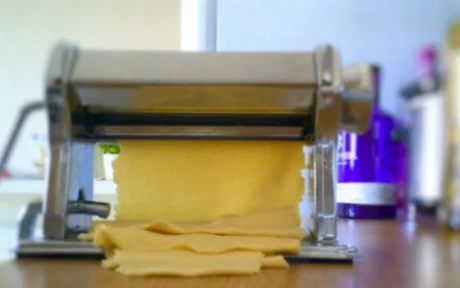
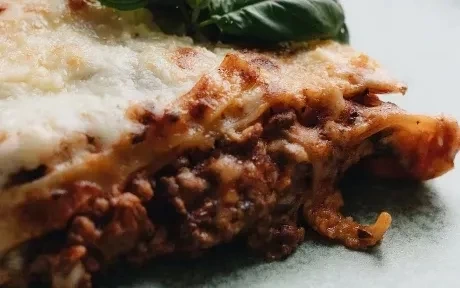




Making your own pasta is easy and cheap, you only need two ingredients and one of them is water the other is semolina. With just two ingredients you can make a batch of homemade pasta that is perfect for Tagliatelle, Lasagne or Tortellini in just a few minutes.
You will need to get yourself a Pasta Rolling Machine, but these are cheap enough to buy.
...
The origins of pasta can be traced back to ancient civilizations, with its roots deeply embedded in the culinary traditions of both the Mediterranean and Asia.
Historical evidence suggests that the earliest forms of pasta may have emerged in China around 2000 BC, where it was made from millet and later wheat. However, it was in the Mediterranean region, particularly in Italy, where pasta evolved into the diverse array of shapes and varieties we recognize today.
The introduction of durum wheat, which is particularly suited for pasta production due to its high gluten content, played a crucial role in this evolution. By the Middle Ages, pasta had become a staple food in Italy, with various regions developing their unique styles and recipes, influenced by local ingredients and cultural practices. The spread of pasta across Europe was further facilitated by trade routes and the exchange of culinary ideas, leading to its integration into various national cuisines.
Today, pasta is celebrated worldwide, not only for its versatility and ease of preparation but also for its rich history that reflects the interconnectedness of different cultures and their gastronomic traditions.
Our Shop

Pasta Machine
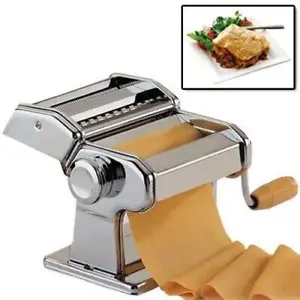
Rolling Pin
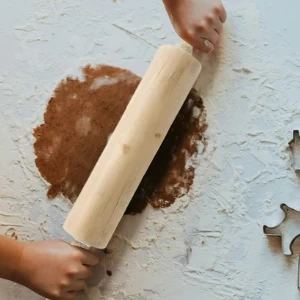
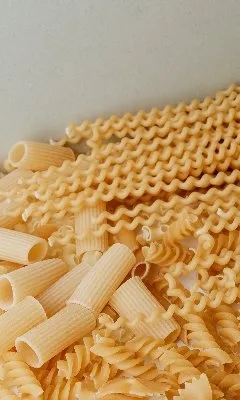
Traditional authentic pasta has just two ingredients. It was originally made with just Flour & Water dating back to the 4th century B.C. Pasta is used in many different cuisines, not just Italian.
The Japanese have been making pasta in the form of Wonton wrappers and the Chinese since 3000 B.C.
You can make Pasta with Pesto to create a Pasta Verde (Green Pasta)
This recipe uses just Semolina & Water it is a simple and Cheap pasta to make.
...
Pasta comes in a wide array of shapes and sizes, each offering unique culinary possibilities.
From long strands like spaghetti and fettuccine to short varieties such as penne and fusilli, the diversity of pasta allows for a multitude of textures and flavors in dishes.
Additionally, regional variations, such as the stuffed pasta of ravioli and tortellini, showcase the versatility of this staple ingredient.
The choice of pasta can significantly influence the overall experience of a meal, making it an essential component in various cuisines around the world.
 Cuisine:Italian






Cost to make:
£0.38/ $0.48(Est.)